
Small savings habits can protect you during uncertain months
Building an emergency fund can feel difficult when your income changes from month to month.
Yet unstable earnings make emergency savings even more important for covering unexpected costs.
In South Africa, many households manage seasonal work, freelance income, or informal earnings. A flexible savings strategy can help create financial stability without requiring a fixed salary.
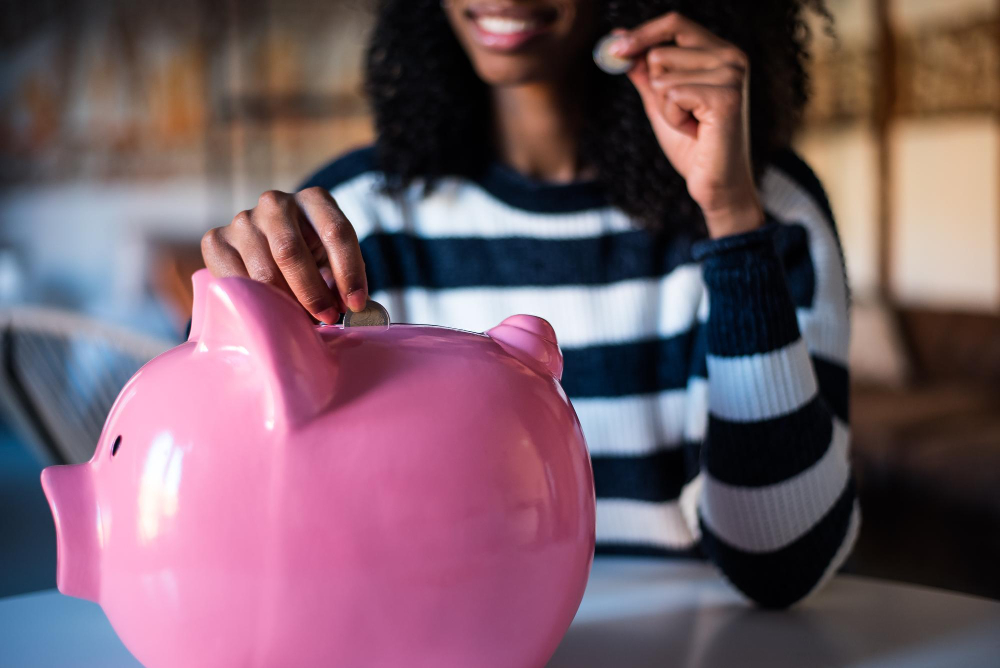
Start With a Realistic Savings Target
An emergency fund does not need to begin with a large amount. A practical first goal may be enough to cover groceries, transport, or utility bills for one difficult month.
Reaching that first milestone creates momentum and makes long-term saving feel more achievable.
People with unstable income often benefit from using percentage-based saving instead of fixed monthly amounts.
Saving even a small portion from every payment received can build consistency over time. This approach adapts naturally during stronger and weaker income periods.
Save From High-Income Periods First
When income fluctuates, stronger earning months can do most of the heavy lifting. Instead of increasing spending when income rises, direct part of those extra earnings into emergency savings.
This method helps balance out slower months when saving may be difficult.
Windfalls can also play an important role in building reserves faster. Tax refunds, bonuses, side hustles, or seasonal profits can boost your fund without affecting regular living expenses.
Treating unexpected income as a savings opportunity can speed up progress significantly.
Separate Savings From Daily Spending
Keeping emergency money separate reduces the temptation to use it casually.
A dedicated savings account, even with small balances, can protect funds from being absorbed into everyday expenses. Many people save more effectively when the money is less accessible.
Automation can also help, even with irregular income. Setting transfers whenever payments arrive creates a routine that does not depend on remembering to save manually.
Consistency often matters more than large contributions when building financial security.
Reduce Leaks and Redirect the Difference
Building an emergency fund often depends as much on cutting waste as earning more.
Reviewing transport costs, subscription services, bank charges, or impulse spending can reveal money that can be redirected into savings. Small adjustments often create surprising results over time.
Using temporary spending freezes can also help during tighter periods. Choosing one category to reduce for a month, such as takeaways or entertainment, can free extra cash for your reserve.
These short-term sacrifices can strengthen long-term resilience without feeling extreme.
Make the Fund Part of Survival Planning
An emergency fund works best when tied to real risks you may face. Consider likely disruptions such as medical bills, repairs, or months with lower income, then estimate what buffer would help.
Saving feels more meaningful when linked to realistic protection rather than abstract goals.
Progress may be slow at first, but a fund grows through repetition rather than perfection.
Even modest savings can prevent debt when emergencies happen and reduce financial stress significantly. For people with unstable income, an emergency fund is not just savings, but part of a survival strategy.
Use Community Support and Low-Risk Backup Options
An emergency fund does not have to grow in isolation. Community savings groups, rotating stokvels, or trusted family support systems can complement personal savings while you build your own buffer.
Used carefully, these informal structures can strengthen resilience and reduce pressure during difficult periods.
Financial backup options should still be approached with caution. Low-fee savings products or flexible accounts may support your goals better than relying on expensive short-term credit.
Building protection through safer tools helps preserve the emergency fund once it starts growing.

Credit Life Insurance on Loans in South Africa
Protection can help, but only when aligned with real riskCreate a Plan for Irregular Bills and Seasonal Costs
Unexpected expenses are not always true emergencies, since many can be predicted.
School fees, holiday spending, annual renewals, and seasonal utility increases can be planned for separately so they do not drain your emergency savings.
Creating mini sinking funds alongside your main reserve can make a big difference.
This approach protects your emergency fund for genuine crises. Even setting aside small amounts toward predictable costs can reduce financial shocks throughout the year.
Better planning often strengthens savings just as much as earning more.